---
title: "Solar Maintenance: Why Your Solar & Battery System Still Needs Regular Care"
description: Solar maintenance helps keep panels, batteries and inverters safe, clean and efficient. Learn what to check and when to call SunPeople.
image: https://sunpeople.sunpeople.com.au/hubfs/2-3.png
---
Call (02) 4257 0974
- [Quick Quote](https://sunpeople.com.au/quick-quote/)
- [Refer a friend](https://sunpeople.sunpeople.com.au/refer-a-friend)
- [Support](https://sunpeople.com.au/support/)
#
[Contact Us](https://sunpeople.sunpeople.com.au/contact-us/)
- [Solar Packages](https://sunpeople.com.au/solar-packages/)
- Services
- [Solar Panels](https://sunpeople.com.au/solar/)
- [Inverters](https://sunpeople.com.au/inverters/)
- [Batteries](https://sunpeople.com.au/batteries/)
- [EV Charging](https://sunpeople.com.au/ev-charging/)
- Off-Grid (coming soon)
- [Maintenance](https://sunpeople.com.au/maintenance/)
- [Privacy Policy](https://sunpeople.com.au/privacy-policy/)
- [Commercial](https://sunpeople.com.au/commercial/)
- About
- [About Us](https://sunpeople.com.au/About-us/)
- [Install Gallery](https://sunpeople.sunpeople.com.au/install-gallery)
- [Testimonials](https://sunpeople.com.au/testimonials/)
- [EV Charging](https://sunpeople.com.au/ev-charging/)
- [FAQ](https://sunpeople.com.au/commercial/faq)
- [SunPeople Blogs](https://sunpeople.sunpeople.com.au/blog)
- [Warranty](https://sunpeople.com.au/warranty/)
- [Support](https://sunpeople.com.au/support/)
- [Contact Us](https://sunpeople.com.au/contact-us/)
# Solar Maintenance: Why Your Solar and Battery System Still Needs Regular Care
Posted by [SunPeople](https://sunpeople.sunpeople.com.au/blog/author/sunpeople) on Jun 23, 2026 5:15:00 AM
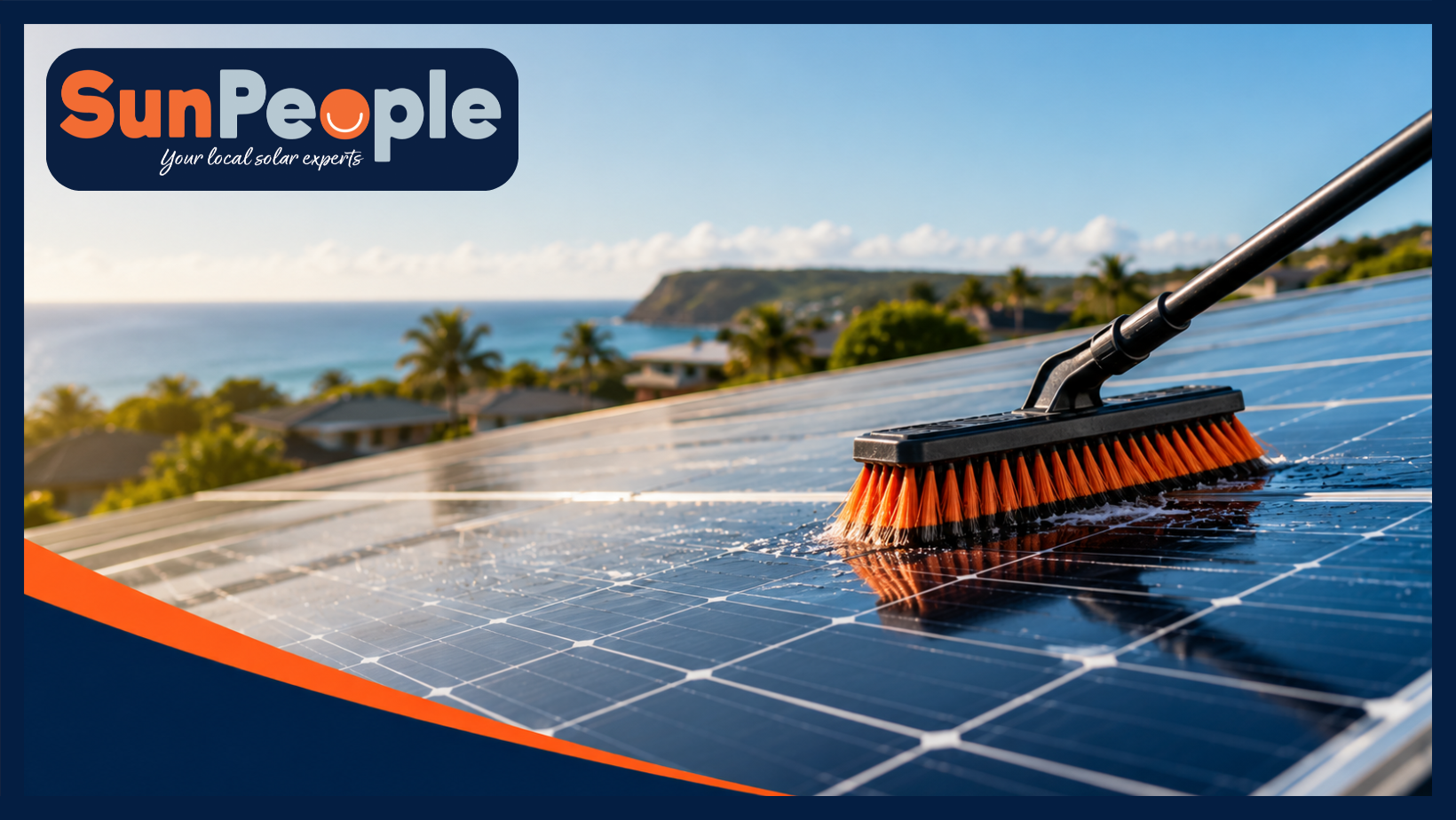
Solar panels are often described as low maintenance, and that is true. A well installed solar system can generate clean energy for many years with very little day to day effort.
But low maintenance does not mean no maintenance.
Like your car, air conditioner or hot water system, your solar and battery system still needs regular checks to make sure it is safe, clean and working as it should. Over time, weather, dirt, pests, loose fittings, electrical wear and changes in performance can all affect your system.
For homeowners and businesses across the Illawarra, Wollongong, Shellharbour, Kiama, the South Coast and Southern Highlands, regular solar maintenance is a simple way to protect your investment and keep your system performing with confidence.
#### Why Solar Maintenance Matters
Your solar system sits outside every day. It deals with sun, rain, wind, heat, salt air, dust, leaves, birds and insects.
Regular solar maintenance helps identify small issues before they become bigger problems. It can support:
- Safer system operation
- Better long term performance
- Cleaner panels
- Reduced risk of avoidable faults
- Longer system life
- Warranty protection
- More confidence that your system is working properly
Some solar panel, inverter and battery manufacturers also require systems to be inspected and maintained in accordance with their warranty terms. While requirements vary between brands, keeping records of maintenance and addressing faults promptly can help support warranty claims if an issue arises in the future.
The Australian Government’s solar guidance recommends regular maintenance to help keep systems working and identify issues before they become problems. It also notes that a solar service should be carried out by an accredited solar installer or qualified electrician, and that systems could be serviced every two years depending on the setup. ([energy.gov.au]( https://www.energy.gov.au/solar/use-your-solar-system/look-after-your-solar-system ))
The Clean Energy Council also encourages solar owners to follow the maintenance schedule provided by their solar retailer or installer, noting that servicing helps solar systems continue operating safely, correctly and efficiently. ([assets.cleanenergycouncil.org.au](https://assets.cleanenergycouncil.org.au/documents/consumers/solar-guide-for-consumers-october-2020.pdf))
#### What Should Be Checked During Solar Maintenance?
A professional solar maintenance check looks at more than whether the panels are dirty. It usually focuses on a few key areas.
The Panels and Roof Area
This includes checking whether the solar panels are dirty, damaged, shaded or affected by debris.
- Dirt, dust and salt spray
- Bird droppings
- Leaves and bark
- Panel damage or visible wear
- New shading from trees or nearby structures
The roof area around the panels may also be checked for signs of buildup, nesting material, drainage issues or anything that could affect airflow under the array.
The Mounting System
Solar panels are secured to your roof with rails, clamps, brackets and fixings. These parts are designed to hold the system in place through changing weather conditions.
A maintenance inspection may include checking:
- Panel clamps
- Mounting rails
- Roof fixings
- Signs of movement
- Corrosion on exposed components
This is especially important after years of exposure to wind, rain, heat and coastal conditions.
The Electrical Components
Solar systems include electrical components that should only be inspected or worked on by a qualified professional.
- Cables and conduits
- Cable entries
- Switches and isolators
- Labels and shutdown procedures
- Signs of heat, water entry or damage
These checks help identify issues that may not be obvious from looking at the panels alone.
The Inverter, Battery and Monitoring
The inverter and battery are also important parts of the system. A technician may review system performance, monitoring data, fault history, battery behaviour and any alerts that suggest the system is not operating as expected.
This type of check is especially important if your system is older, has not been inspected in several years, or is located in a coastal, leafy or pest prone area.
#### Solar Panel Cleaning & Debris Removal
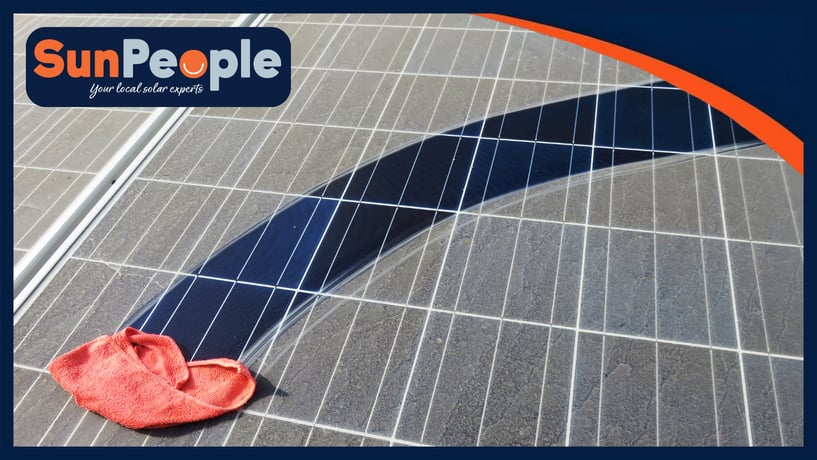
Solar panels need clear access to sunlight. When panels are covered in dirt, bird droppings, leaves, salt spray or grime, they may not perform as well as they should.
Rain can help rinse panels, but it does not always remove stubborn buildup. This is especially true for low pitched roofs, panels near trees, coastal homes, or sites with regular bird activity.
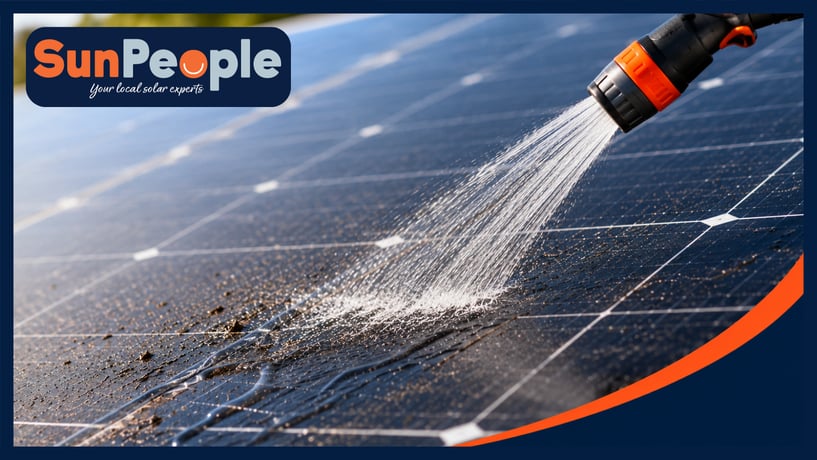
Cleaning should be done carefully. Solar panels are electrical equipment, and roofs can be dangerous.
Avoid:
- Climbing onto the roof yourself
- Pressure washing panels
- Using harsh chemicals
- Scrubbing panels with abrasive tools
- Touching cables, switches or isolators
A professional clean can help remove grime while protecting the glass, seals, frames and electrical components.
#### Pests, Spiders & Nesting Birds
One of the most common issues people forget about is pest activity.
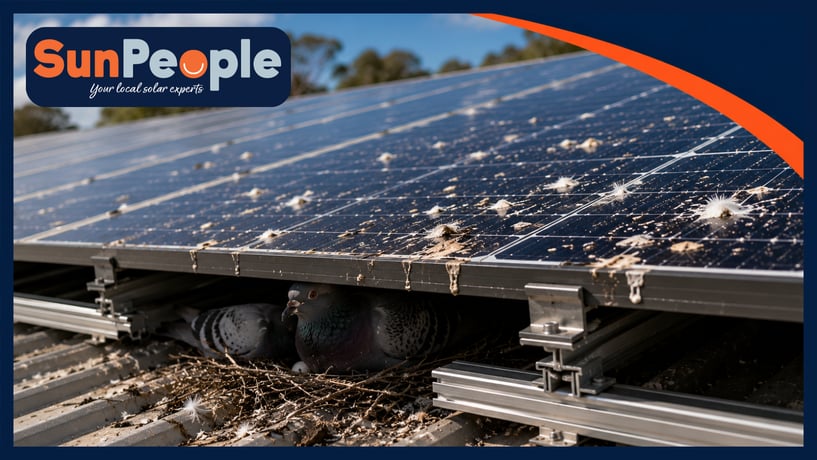
The space under solar panels can become a sheltered area for birds, spiders, ants and even rodents. Over time, this can lead to debris buildup, blocked airflow, mess on the roof, damaged cabling or nests under the panels.
Common signs of pest activity include:
- Birds entering under panels
- Nesting material around the array
- Cobwebs around panels or inverter areas
- Ants near electrical equipment
- Rodent damage around conduits or cables
- Leaves and debris trapped under panels
If birds are regularly nesting under your solar panels, bird proofing or mesh may be worth considering. This should be installed properly so it does not damage the panels, wiring or roof.
#### Checking Bolts, Rails and Roof fixings
Solar panels are secured to your roof for long term exposure, but it is still worth checking that everything remains firm, stable and weather resistant over time.
A maintenance inspection can help identify:
- Loose panel clamps
- Movement in the mounting rails
- Damaged or missing fixings
- Corrosion on exposed parts
- Roof issues around the solar array
- Signs of water entry near roof penetrations
This is not something most homeowners should attempt themselves. A qualified technician can safely inspect the mounting system and advise whether anything needs attention.
#### Inverter & Battery Checks
Your inverter is one of the most important parts of your solar system. It converts the electricity from your panels into usable power for your home or business.
If you have a solar battery, there is another layer of equipment to monitor.
A solar and battery maintenance check may include reviewing:
- Inverter fault codes
- Battery alerts
- Charging and discharging behaviour
- Backup settings, where relevant
- System monitoring data
- Ventilation around the inverter or battery
- Signs of heat, dust, pests or moisture
Monitoring is also useful for homeowners. The Australian Government notes that solar and battery monitoring can show how much electricity your system is generating, when your battery is charging and discharging, whether the system is working correctly, and whether there are faults. ([energy.gov.au](https://www.energy.gov.au/solar/use-your-solar-system/monitor-your-solar-system))
If your monitoring app shows a sudden drop in production, missing data or repeated alerts, it is worth getting the system checked.
#### Rooftop DC Isolators on Older Systems
Some older solar systems have rooftop DC isolators installed near the solar panels.
These isolators were commonly required in Australian solar installations for many years, but they have also been a known area of concern when installed poorly, damaged, or exposed to harsh weather over time. Solar Victoria has noted that audits by Energy Safe found moisture impacting DC isolators was a major cause of solar PV system fires. ([solar.vic.gov.au](https://www.solar.vic.gov.au/service-your-solar-pv-system-and-reduce-safety-risks ))
Standards and installation practices have changed over time. Clean Energy Council advice on AS/NZS 5033:2021 explains changes around PV array isolation requirements and should be read alongside existing standards, codes and network rules. ([assets.cleanenergycouncil.org.au]( https://assets.cleanenergycouncil.org.au/documents/Advice-on-ASNZS-5033.pdf ))
This does not mean every rooftop isolator can simply be removed. It needs to be assessed by a qualified solar electrician. In some cases, removal or relocation may be recommended as part of a safety upgrade, but this depends on the system design and current requirements.
#### How Often Should You Book Solar Maintenance?
As a general guide, many solar systems should be checked every 12 to 24 months.
It is also worth checking the warranty documentation for your solar panels, inverter and battery. Some manufacturers specify maintenance, inspections or record keeping as part of their warranty conditions. Following the recommended maintenance schedule can help ensure you remain eligible for support should a warranty claim ever be required.
You may need more regular maintenance if your property has:
- Heavy tree cover
- Frequent bird activity
- Coastal exposure or salt air
- Dusty conditions
- A flat or low pitched roof
- An older solar system
- A solar battery
- Regular inverter or monitoring alerts
For coastal locations like Wollongong, Shellharbour, Kiama and the South Coast, regular inspections can be especially useful because salt air, wind and weather exposure can affect external components over time.
#### What Can Homeowners Safely Check Themselves?
There are a few simple checks you can do from the ground.
You can:
- Check your monitoring app
- Look for inverter warnings
- Compare your solar production month to month
- Watch for birds entering under panels
- Look for obvious debris from a safe position
- Check for new shading from trees
- Keep the area around your inverter or battery clear
You should avoid:
- Climbing onto the roof
- Touching cables, isolators or switches
- Opening inverter, battery or switchboard covers
- Cleaning panels with pressure washers
- Attempting electrical repairs
- Removing nests or mesh around electrical components
Solar and battery systems involve electricity, heights and specialised equipment. If something does not look right, it is always safer to call a professional.
#### Book Solar Maintenance with SunPeople
Solar maintenance helps keep your system safe, clean and performing properly over the long term. Regular servicing can also provide useful documentation that may support future warranty claims and demonstrate that the system has been properly maintained. Whether you have a home solar system, a solar battery, or a larger commercial setup, regular checks can give you more confidence that everything is working as it should.
SunPeople Solar Experts can help homeowners, businesses and community groups across the Illawarra, Wollongong, Shellharbour, Kiama, the South Coast and Southern Highlands with solar and battery maintenance.
If your system has not been checked in a while, now is a good time to book a professional inspection.
Contact SunPeople Solar Experts today to organise solar maintenance for your home, business or community site.
---
How long has it been since your last solar maintenance?
[](https://cta-redirect.hubspot.com/cta/redirect/4324478/8172095f-b19e-40da-9179-b7cee19ed3d8)
Let’s make sure your home solar is running at its maximum potential.
---
#### Sources:
1. Australian Government - Look after your solar system:
[https://www.energy.gov.au/solar/use-your-solar-system/look-after-your-solar-system ](https://www.energy.gov.au/solar/use-your-solar-system/look-after-your-solar-system)
2. Australian Government - Monitor your solar system:
[https://www.energy.gov.au/solar/use-your-solar-system/monitor-your-solar-system](https://www.energy.gov.au/solar/use-your-solar-system/monitor-your-solar-system)
3. Clean Energy Council - Solar Consumer Guide:
[https://assets.cleanenergycouncil.org.au/documents/consumers/solar-guide-for-consumers-october-2020.pdf](https://assets.cleanenergycouncil.org.au/documents/consumers/solar-guide-for-consumers-october-2020.pdf)
4. Clean Energy Council - Advice on AS/NZS 5033:2021:
[https://assets.cleanenergycouncil.org.au/documents/Advice-on-ASNZS-5033.pdf](https://assets.cleanenergycouncil.org.au/documents/Advice-on-ASNZS-5033.pdf)
5. Solar Victoria - Service your solar PV system and reduce safety risks:
[https://www.solar.vic.gov.au/service-your-solar-pv-system-and-reduce-safety-risks ](https://www.solar.vic.gov.au/service-your-solar-pv-system-and-reduce-safety-risks)
6. NSW Climate and Energy Action - Solar PV: [https://www.energy.nsw.gov.au/households/upgrades/solar](https://www.energy.nsw.gov.au/households/upgrades/solar)
Topics: [solar panels](https://sunpeople.sunpeople.com.au/blog/tag/solar-panels), [batteries](https://sunpeople.sunpeople.com.au/blog/tag/batteries), [renewable energy](https://sunpeople.sunpeople.com.au/blog/tag/renewable-energy), [Solar Battery Installation](https://sunpeople.sunpeople.com.au/blog/tag/solar-battery-installation), [Home Battery Storage](https://sunpeople.sunpeople.com.au/blog/tag/home-battery-storage), [solar maintenance](https://sunpeople.sunpeople.com.au/blog/tag/solar-maintenance), [clean](https://sunpeople.sunpeople.com.au/blog/tag/clean), [SunPeople](https://sunpeople.sunpeople.com.au/blog/tag/sunpeople), [solar batteries](https://sunpeople.sunpeople.com.au/blog/tag/solar-batteries), [energy independence](https://sunpeople.sunpeople.com.au/blog/tag/energy-independence), [Battery Rebate](https://sunpeople.sunpeople.com.au/blog/tag/battery-rebate), [maintenance](https://sunpeople.sunpeople.com.au/blog/tag/maintenance)
### Recent Posts
### Subscribe Here!
###### Contact SunPeople
(02) 4257 0974
Unit 1/5 Sunset Ave
Barrack Heights NSW 2528
Open Monday – Friday
8:00am – 4:00pm
[Contact Us](https://sunpeople.sunpeople.com.au/contact-us/)
###### Quick Links
- [Solar Packages](https://www.sunpeople.com.au/solar-packages)
- [Commercial](https://www.sunpeople.com.au/commercial)
- [About us](https://www.sunpeople.com.au/about-us)
- [Support](https://www.sunpeople.com.au/support)
- [FAQ](https://www.sunpeople.com.au/faq)
- [Quick Quote](https://www.sunpeople.com.au/quick-quote)
- [Refer a Friend](https://sunpeople.sunpeople.com.au/refer-a-friend)
- [Warranty](https://www.sunpeople.com.au/warranty)
- [Privacy Policy](https://www.sunpeople.com.au/privacy)
- [Maintenance](https://www.sunpeople.com.au/maintenance/)

© 2017-2024 SunPeople Ltd. Designed by [Studio Friday](https://www.studiofriday.com.au/). Developed by [Circular Creative](https://circularcreative.com.au/).
Illustrations by [Kiara Mucci](https://www.instagram.com/themuccibird) ©. Photographs by [Justin Barton](https://www.instagram.com/jbaarton) Photography.